What Is A Psychologist?

What Is a Psychologist?
A psychologist is a professional who studies the mind and human behaviour using rigorous scientific methods. In the UK, although the term ‘psychologist’ itself is not legally protected, specific titles such as practitioner psychologist, registered psychologist and those linked to particular fields like clinical, counselling, educational, forensic, health, occupational and sport and exercise psychology are protected by law. These titles can only be used by individuals who have completed the necessary accredited training and are registered with the Health and Care Professions Council (HCPC). Psychologists use evidence-based approaches to support mental health, wellbeing, learning and performance in a wide range of settings.
What Is a Counselling Psychologist?
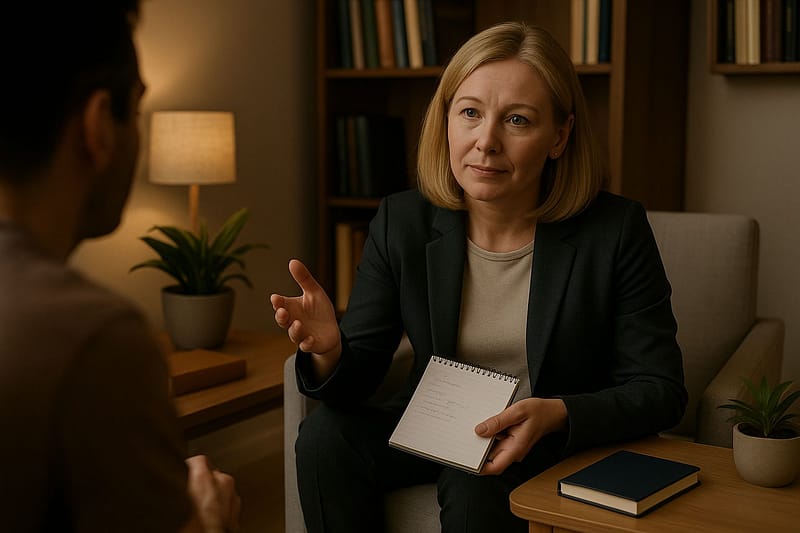
Counselling psychologists are highly trained professionals who support individuals in understanding and overcoming emotional, psychological and behavioural challenges. They work with a broad range of issues including anxiety, depression, trauma, relationship difficulties, identity and life transitions. Drawing on psychological theory and research, their aim is to help people make meaningful changes, develop greater self-awareness and improve their overall wellbeing.
In the UK, the title ‘Counselling Psychologist’ is legally protected and regulated by the Health and Care Professions Council (HCPC). Becoming a counselling psychologist requires an undergraduate degree in psychology, followed by a doctorate-level qualification in counselling psychology. This extensive training includes academic study, clinical placements, personal development (including engaging in personal therapy) and supervised practice across a range of settings.
One of the defining features of Counselling Psychologists can be their integrative approach to therapy. They are trained in at least three distinct therapeutic models, such as cognitive behavioural therapy (CBT), psychodynamic therapy and humanistic approaches, and are skilled in combining these methods in a holistic and flexible way. This allows them to tailor therapy to each individual, respecting their unique background, values and goals.
Counselling psychologists work across various sectors, including the NHS, private practice, universities and community services. They are committed to building collaborative and compassionate relationships, offering a space where clients can explore their experiences safely and work towards lasting psychological growth.

What Is a Chartered Psychologist?
Chartered Psychologist (CPsychol) is the benchmark of professional recognition. It reflects the highest standard of psychological knowledge and expertise. CPsychol is a mark of experience, competence and reputation for anyone looking to learn from, consult or employ a psychologist.
The British Psychological Society is the representative body for psychology and psychologists in the UK. It was granted its Royal Charter in 1965. The Society has national responsibility for the development, promotion and application of psychology for the public good, and promotes the efficiency and usefulness of its members by maintaining a high standard of professional education and knowledge. The title Chartered Psychologist is legally recognised under the Royal Charter. Those who the British Psychological Society has deemed eligible to do so are entitled to use the designation ‘Chartered Psychologist’ and the abbreviation CPsychol after their name. For more information about the British Psychological Society visit https://www.bps.org.uk
What Is an Associate Fellow of the British Psychological Society?
This is a mark of experience, competence and reputation of psychological knowledge through the field. The title ‘Associate Fellow of the British Psychological Society’ (AFBPsS) is awarded in recognition of several years’ experience and contribution to the field of psychology.


What Is a Coaching Psychologist?
A coaching psychologist is a professional trained in psychological theory and research who supports individuals in achieving personal and professional growth. Unlike general coaching, coaching psychology is firmly grounded in scientific understanding of human behaviour, motivation and change. Coaching psychologists typically hold postgraduate qualifications and are often members of the British Psychological Society (BPS), which ensures they adhere to high ethical and professional standards.
They work with psychologically healthy individuals to help unlock potential, overcome challenges and achieve meaningful goals, whether that’s developing leadership skills, building confidence, improving performance, making career decisions or finding greater life balance. Their approach is evidence-based, collaborative and tailored to each client’s unique needs. Their deep understanding of human behaviour enables them to create lasting, positive change, offering a level of insight and professionalism that distinguishes them from general coaches.
What Is a Chartered Coaching Psychologist?
Chartered Coaching Psychologist status in the UK signifies a higher level of training, advanced expertise and further demonstration of applying psychological principles to coaching. Chartered Coaching Psychologists will have met the rigorous standards set by the British Psychological Society. This recognised status reflects extensive experience, and ongoing professional development in Coaching Psychology.


What Is a Chartered Scientist?
Chartered Scientist (CSci) is a professional recognition awarded to scientists in the UK who have reached a high level of expertise, experience and ethical practice in their field. It demonstrates a strong commitment to maintaining scientific standards, staying up to date through continued learning and applying scientific knowledge responsibly and effectively. The designation is granted by the Science Council and reflects a recognised benchmark of excellence across a wide range of scientific disciplines. Holding CSci status means being trusted to work at the forefront of science with integrity and professionalism.
What Is Psychological Therapy?
Psychological therapy, often referred to as ‘talk therapy’, psychotherapy or counselling, is a collaborative process between a qualified therapist and an individual seeking support. It offers a confidential and safe space to explore thoughts, feelings and behaviours that may be causing distress or affecting everyday life. Through guided conversations and evidence-based methods, therapy helps people gain insight, develop coping strategies and work towards positive change. Whether you are experiencing anxiety, depression, relationship difficulties or life transitions, psychological therapy aims to promote mental wellbeing, healing and personal growth.
As an HCPC-Registered Counselling Psychologist and EMDR Europe Accredited Consultant, Dr Rawal provides a range of proven therapeutic approaches tailored to your individual needs, including:
- Cognitive Behavioural Therapy (CBT): Focuses on identifying and changing unhelpful thoughts and behaviours to improve emotional health.
- Psychodynamic Therapy: Explores unconscious patterns and early experiences to better understand current challenges.
- Person-Centred Therapy: Creates a supportive and empathetic environment that encourages self-discovery and confidence.
- Dynamic Interpersonal Therapy (DIT): Looks at relationship patterns and interpersonal difficulties to strengthen emotional resilience.
- DBT Skills: Practical tools for managing emotions, coping with distress and practising mindfulness.
- Acceptance and Commitment Therapy (ACT): Supports acceptance of difficult feelings while encouraging actions aligned with your values.
- Eye Movement Desensitisation and Reprocessing (EMDR): An effective therapy for trauma and other distressing memories, aiding the brain in processing and healing.
- Positive Psychology and Strengths-Based Approaches: Focuses on identifying and building your personal strengths and resources to foster wellbeing, resilience and a more fulfilling life.
- Integrative Therapy: A flexible, holistic, client-centred approach that draws from multiple psychological theories and models to best meet the individual’s needs, as guided by a collaborative formulation of presenting difficulties to create a tailored treatment plan.


Specialist Psychological Support for Carers
Becoming an unpaid carer can happen gradually. A few small tasks here and there, until suddenly you’re carrying the emotional and practical weight of supporting someone through life-changing circumstances. While caring can be deeply meaningful, it can also be relentless, isolating and emotionally overwhelming.
You might be supporting someone who’s just received a diagnosis like dementia or cancer, or adjusting to the shock of a sudden life event such as a stroke or accident. These moments can turn your world upside down, not just theirs, leaving you trying to hold everything together while grappling with fear, uncertainty and the weight of responsibility.
I work with carers at every stage of their journey, from diagnosis through to complex or palliative care, and even after caregiving ends. Whether you’re caring for someone with a life-limiting, life-changing or terminal condition, or facing the emotional challenges of supporting someone at the end of life, you deserve support too.
Caring can trigger anticipatory grief, acute stress, trauma responses, and difficult emotions that stay with you long after the moments have passed. And when caregiving ends, you may find yourself facing profound loss, a shift in identity, and the daunting question of what comes next.
As a Registered Counselling Psychologist, EMDR consultant, and Chartered Coaching Psychologist, I provide a space to process what you’ve been through, or are still going through, and help you find steadiness, healing, clarity and hope. Whether you’re in the thick of it, or navigating life after caregiving, you don’t have to carry it alone.
Get in touch to see how I may be able to help.